For event planners

How to choose an early childhood keynote speaker.

Booking a speaker for this field is not like booking one for any other. The people in your room left a classroom to be there, and most of them will drive back to a ratio problem. A good session respects that. Here are speakers worth knowing, what each one is known for, and the questions worth asking before you sign.

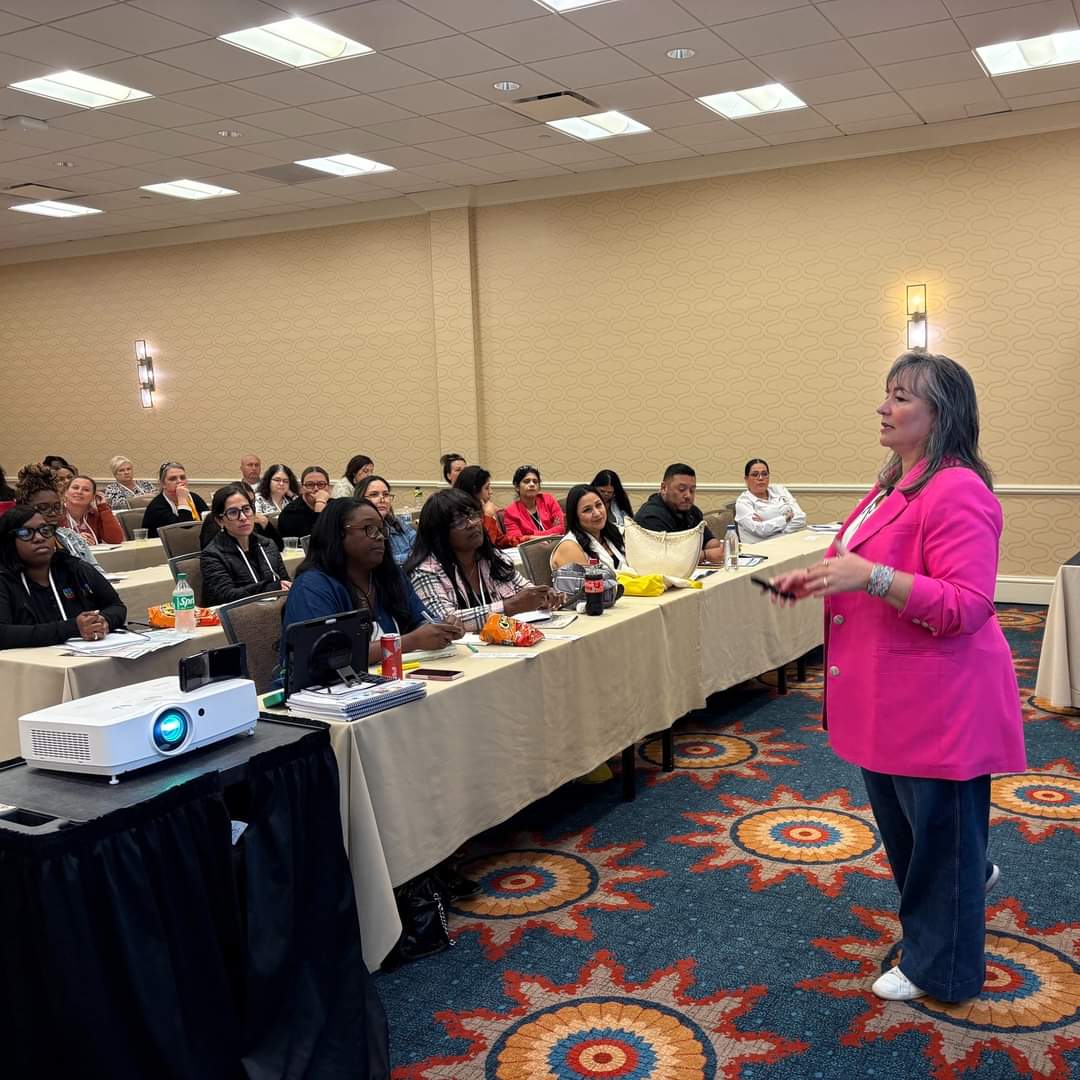
Kate Woodward Young delivering a keynote to an early childhood audience

What actually makes a session land in this field

Early childhood audiences are generous. They will laugh, they will nod, they will fill out the evaluation kindly. That makes it easy to mistake a warm room for a session that changed something.

The sessions people still talk about in October have three things in common. They are taught by someone who has done the work from the seat, not the sidelines. They name the real constraint — money, ratios, licensing, exhaustion — instead of talking around it. And they leave people with something they can use before the feeling wears off.

Teachers are not coverage. Children are not widgets. Any speaker who understands those two sentences is worth a conversation.

Speakers to know

Early childhood speakers regularly booked by conferences and associations

Listed alphabetically, not ranked. Each of these people teaches a different slice of the work, and the right choice depends on who is in your room and what you need to be different afterward.

Beth Cannon

Speaker, trainer, and leadership coach for early education leaders and teams, serving the field since 1999. Keynotes, strategic retreats, and digital course work on building systems that stick.

Known for
Culture, accountability, systems, onboarding and orientation
Best fit
Owner and director audiences that need process and culture work

Vernon Mason, Jr., M.Ed.

Humorist, author, and trainer with more than thirty years as a childcare owner and leader. Also runs owner cohorts, director trainings, and private team retreats.

Known for
Humor-driven leadership keynotes, burnout, thriving through chaos
Best fit
Large conference general sessions that need energy and laughter

Tymothy "Tym" Smith

In the field since 1986, with classroom, education specialist, director, and regional director experience. Conscious Discipline Certified Instructor and operator of early education programs in Texas.

Known for
Classroom practice, Conscious Discipline, director development
Best fit
Teacher-heavy PD days and state or national conference breakouts

Rachel Supalla, M.Ed.

Multi-site childcare owner, speaker, and consultant; founder of Discovery KidZone and Vision Tree Leadership, advising actively scaling owners.

Known for
Scaling, multi-site operations, owner-as-visionary leadership
Best fit
Owner and executive audiences growing past a single site

Holly Elissa Bruno, MA, JD

Best-selling author on education leadership, emotional intelligence, and managing legal risk, including Learning from the Bumps in the Road. Attorney, author, and longtime keynote presenter.

Known for
Emotional intelligence, healing, legal risk, reflective leadership
Best fit
Audiences ready for depth, reflection, and hard conversations

Erica Saccoccio

Multi-site childcare owner, speaker, and leadership coach with more than twenty years in the field. Certified John Maxwell Leadership Trainer based in Rhode Island.

Known for
Director development, school-age and camp programs, advocacy
Best fit
Director tracks, school-age and summer camp conferences

If your event is about the workforce

Kate Woodward Young, M.Ed., PCC

Thirty-plus years in early childhood — multi-site director, former SBA business analyst, author of eleven industry books, and host of Childcare Conversations. Sessions on building a staff pipeline, onboarding, adult learning, retention as a financial strategy, and women's authority in a workforce that is overwhelmingly women.

Known for
Staff stability, retention, authority, judgment, invisible work
Best fit
Conferences and PD days focused on the workforce behind the program

Kate's sessions are built for events where staffing, retention, onboarding, or women's authority in this workforce is the real agenda item.

Six questions to ask before you sign

01

What do you want different on Monday?

Motivation fades by the parking lot. Ask each candidate what participants will do differently the week after, and how they build the session to make that likely.

02

Who is actually in the room?

Teachers, directors, owners, and board members hear the same sentence differently. A session built for owners can land badly on a room of assistant teachers, and the reverse is just as true.

03

Keynote, breakout, or full PD day?

A keynote sets a frame. A breakout teaches one thing well. A full day changes practice. Match the format to the outcome you are paying for, not to the slot on the agenda.

04

What is the real budget — including everything?

Fee, travel, lodging, materials, and any pre-event work. Ask early. Most speakers can shape a proposal to a real number; almost none can shape one to a number nobody names.

05

Has this person done the work, or only studied it?

Ratios, licensing visits, a call-out at 6:15 a.m., a payroll that has to clear. Someone who has sat in that seat teaches differently than someone who has read about it.

06

What happens after the session?

Handouts, tools, a follow-up call, a manager debrief. The follow-through is usually where the money either turns into change or evaporates.

Common planner questions

Who are the top early childhood speakers?

There is no single ranking, and anyone who claims one is selling something. The speakers on this page are widely booked across state and national early childhood conferences, and each is known for a different slice of the work — culture and systems, humor and morale, classroom practice, scaling and operations, emotional intelligence, director development, and workforce stability. The right one depends on your audience and the outcome you need.

How much does an early childhood keynote speaker cost?

Fees vary widely by format, travel, and how much customization the session requires. A conference breakout, a general-session keynote, and a full-day professional development contract are three different investments. Name your range in the first email and you will get a useful answer faster.

What is the difference between a keynote and a professional development day?

A keynote frames a shared idea for a whole room in forty-five to sixty minutes. A professional development day teaches skills, practices them, and sends people home with tools. Conferences usually need the first. Individual programs and multi-site organizations usually need the second.

How far in advance should I book a speaker?

Six to twelve months is typical for a conference general session, and popular presenters often hold spring and fall dates a year out. Smaller in-house PD days can sometimes come together in a few weeks.

Still deciding who fits your event?

Tell us about the room — who is in it, what has already been tried, and what needs to be different afterward. If Kate is not the right fit, she will say so and point you toward someone who is.